

An electric car is no longer simply an alternative to a gasoline-powered vehicle. For many drivers, it can be a practical daily transportation solution with smooth performance, convenient home charging, lower routine maintenance needs, and a driving experience that feels distinctly modern.
The challenge is not whether electric cars exist, but whether a particular electric car matches your driving distance, charging environment, budget, climate, passenger needs, and long-term expectations. Understanding these factors before buying can help prevent the most common ownership frustrations.
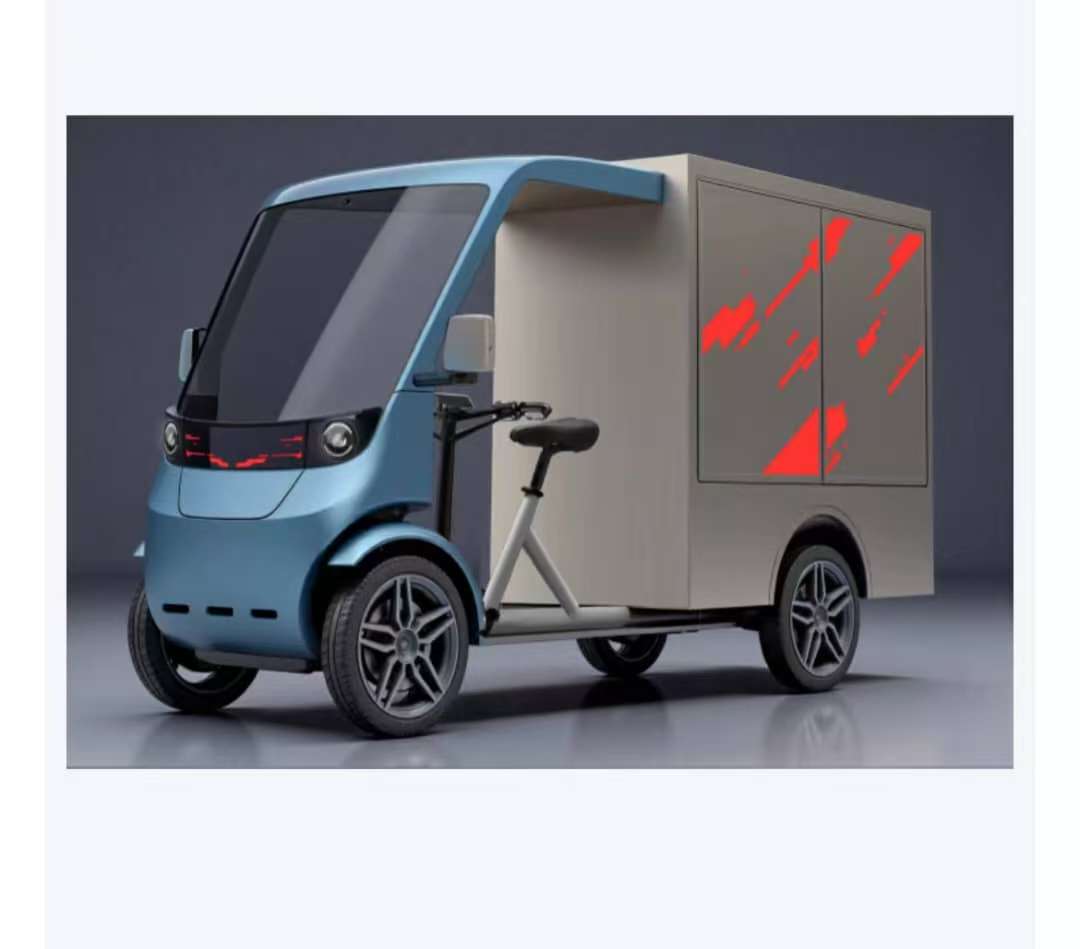
Understanding the Electric Car Before You Buy
An all-electric car uses electricity stored in a rechargeable battery pack to power one or more electric motors. Unlike a conventional internal-combustion vehicle, it does not need a gasoline engine, fuel tank, fuel pump, or exhaust system for propulsion. The result is a fundamentally different vehicle architecture.
Electric vehicles also use sophisticated electronic control systems to manage power delivery, battery temperature, regenerative braking, charging, and vehicle operation. These systems work together to deliver smooth acceleration and efficient energy use.
Battery
Stores electrical energy used by the vehicle's traction motor. Battery capacity has a major influence on range, weight, charging requirements, and vehicle efficiency.
Electric Motor
Converts electrical energy into mechanical power. Electric motors can deliver strong torque quickly, which contributes to responsive acceleration.
Charging System
Connects the vehicle to an external power source and manages the safe transfer of electricity into the battery.
The important point for a potential buyer is simple: an electric car should be evaluated as an entire transportation system rather than by battery size alone.
Start With Your Real Driving Needs
One of the easiest mistakes is buying according to advertised specifications instead of actual daily requirements. A driver who travels 30 miles per day has very different needs from someone who regularly drives hundreds of miles between cities.
Consider These Questions First
- How many miles or kilometers do you normally drive each day?
- Where is the vehicle parked overnight?
- Can you install or access a suitable charging point?
- How frequently do you make long-distance trips?
- How many passengers normally travel with you?
- Do you regularly carry luggage, tools, equipment, or large items?
- Will the vehicle operate in very hot, cold, mountainous, or demanding conditions?
- How long do you expect to keep the vehicle?
Battery Capacity and Driving Range
Battery size is one of the most visible specifications on an electric car, but a larger battery does not automatically mean a better vehicle for every driver. A larger pack can provide more energy storage, but it can also add weight and affect efficiency, vehicle packaging, and purchase cost.
Real-world range can also differ from laboratory figures. Speed, temperature, road conditions, driving style, heating or air conditioning use, passenger load, hills, and cargo can all influence energy consumption.
| Factor | Potential Effect on Range | What Drivers Should Consider |
|---|---|---|
| Highway Speed | Higher speeds generally increase energy consumption. | Frequent highway users may benefit from additional range capacity. |
| Cold or Hot Weather | Heating and cooling can increase energy demand. | Consider local climate rather than relying only on ideal conditions. |
| Heavy Loads | Additional weight can increase energy consumption. | Drivers carrying passengers or equipment should leave an appropriate range margin. |
| Driving Style | Aggressive acceleration can consume more energy. | Smooth driving can improve efficiency. |
| Terrain | Steep climbs can require additional energy. | Mountain or hilly routes should be included in trip planning. |
For this reason, a sensible purchasing strategy is to choose enough practical range for your routine and occasional trips, rather than paying for the maximum battery available simply for peace of mind.
Charging: The Everyday Ownership Question
Charging is perhaps the biggest difference between owning an electric car and owning a traditional gasoline vehicle. Instead of thinking only about where a vehicle can be refueled, EV owners need to think about where the car will normally be parked and how much energy it needs between trips.
Many EV owners charge at home overnight. Level 1 charging can work for some drivers with relatively modest daily mileage, while Level 2 charging can provide substantially faster charging when suitable electrical infrastructure is available. Public DC fast charging can be particularly useful during longer journeys.
| Charging Situation | Best Use | Key Consideration |
|---|---|---|
| Home Charging | Regular overnight charging | Convenience and installation requirements |
| Workplace Charging | Adding energy while parked during work hours | Availability and access rules |
| Public Level 2 | Shopping, hotels, offices, and longer parking periods | Charging time and station availability |
| DC Fast Charging | Long-distance travel and quick energy replenishment | Charging speed, compatibility, pricing, and station reliability |
How to Avoid Charging Frustration
- Check whether your parking location supports convenient charging.
- Understand the electrical requirements before installing home equipment.
- Learn which charging connectors and networks your vehicle uses.
- Plan charging stops before unfamiliar long-distance routes.
- Keep a reasonable battery reserve rather than routinely driving until the battery is nearly empty.
- Check the vehicle manufacturer's charging recommendations.
The best charging setup is usually the one that fits naturally into an existing routine. If the car can charge while you sleep, work, or shop, charging becomes much less noticeable in daily life.
Performance and Driving Experience
Electric cars have a distinctive driving character. Electric motors can provide torque quickly, resulting in smooth and responsive acceleration. There is no conventional multi-speed transmission shifting through gears in the same way as many gasoline vehicles.
Regenerative braking is another important part of the experience. When the vehicle slows down, some systems can recover energy and return it to the battery. This can reduce reliance on the friction brakes and may contribute to longer brake life.
However, performance should not be measured only by acceleration figures. Ride comfort, steering response, visibility, braking feel, cabin noise, seating position, and suspension behavior can have a much greater impact on everyday satisfaction.
Maintenance and Long-Term Ownership
One major advantage of an all-electric car is its simpler mechanical structure compared with a conventional internal-combustion vehicle. There is no engine oil to replace, and there are fewer engine-related components that require routine service.
Electric vehicles still require maintenance. Tires, brake components, suspension parts, cabin filters, wipers, cooling systems, and other vehicle systems still need appropriate inspection or replacement. Battery and high-voltage systems should be serviced according to the manufacturer's requirements.
Important Ownership Checks
- Battery warranty period and mileage coverage
- Vehicle warranty terms
- Recommended service intervals
- Battery thermal management requirements
- Availability of qualified service centers
- Replacement parts availability
- Software update and diagnostic support
- Roadside assistance coverage
Battery longevity is another common concern. Modern EV batteries are designed for extended service, but battery capacity gradually changes over time. Actual battery life depends on factors such as battery chemistry, thermal management, climate, charging behavior, and usage patterns.
Interior Space and Everyday Practicality
An electric powertrain can create packaging opportunities because the vehicle does not require a conventional engine and transmission arrangement. Depending on the vehicle design, this can result in useful passenger space, storage areas, or additional cargo capacity.
Still, every electric car is different. A compact city EV, electric SUV, performance sedan, and commercial-oriented vehicle can have very different practical strengths.
For Urban Commuters
Prioritize compact dimensions, easy parking, efficient energy use, comfortable seating, and convenient charging.
For Families
Pay attention to rear-seat space, child-seat compatibility, cargo volume, safety equipment, and charging convenience.
For Frequent Travelers
Focus on practical highway range, fast-charging capability, charging-network access, luggage capacity, and route-planning features.
Understanding the Real Cost of Owning an Electric Car
Purchase price is only one part of vehicle ownership. A meaningful cost assessment should include energy, maintenance, insurance, charging equipment, financing, taxes or registration, depreciation, and the expected ownership period.
| Cost Area | Questions to Ask |
|---|---|
| Purchase Price | Does the vehicle fit the available budget without sacrificing essential requirements? |
| Charging | How much will home charging equipment and electricity add to ownership costs? |
| Maintenance | What scheduled maintenance does the manufacturer recommend? |
| Insurance | How does the vehicle's insurance cost compare with similar models? |
| Battery Warranty | What period and mileage are covered, and what conditions apply? |
| Resale Value | How does the model perform in the used-vehicle market? |
Electric cars can offer lower fueling and scheduled maintenance costs than conventional vehicles, but the exact financial result varies by vehicle, electricity price, fuel price, annual mileage, insurance, local taxes, incentives, and ownership period. A realistic calculation is more useful than assuming every EV will automatically be cheaper.
Electric Car Buying Checklist
Before making a final decision, use the following checklist to turn a complicated purchase into a practical evaluation.
- Define your daily driving distance. Know your normal weekly usage.
- Check your charging environment. Confirm where and how you can charge.
- Evaluate real-world range. Consider climate, highway driving, passengers, and cargo.
- Compare charging capability. Look at AC charging and DC fast-charging performance.
- Inspect the battery warranty. Read the actual warranty conditions rather than relying on advertising claims.
- Consider maintenance support. Confirm service availability in your area.
- Test the vehicle. Evaluate comfort, visibility, braking, steering, and cabin ergonomics.
- Calculate ownership costs. Include energy, maintenance, insurance, financing, and charging equipment.
- Think about future needs. A vehicle that works today should also make sense for your expected ownership period.
For buyers researching automotive components, replacement parts, or supporting vehicle systems, supplier experience also matters. Product consistency, technical communication, material quality, dimensional accuracy, and dependable after-sales support can make a significant difference over the life of a vehicle.
Companies and automotive professionals evaluating component solutions can also explore the product resources and automotive expertise associated with LSODS Auto Parts and Heima.
Frequently Asked Questions About Electric Cars
1. Is an electric car suitable for everyday commuting?
Yes. Electric cars can be particularly convenient for regular commuting because drivers can often recharge while the vehicle is parked at home or work. Suitability depends mainly on daily driving distance and charging access.
2. How far can an electric car travel on one charge?
Range varies substantially between models. Battery capacity, vehicle efficiency, speed, temperature, road conditions, driving style, and passenger or cargo weight all affect actual driving distance. Always consider real-world conditions rather than relying on a single laboratory figure.
3. Is home charging necessary for an electric car?
It is not absolutely necessary, but convenient home charging can make ownership significantly easier. Drivers without home charging can rely on workplace, public, or other available charging locations, provided that the network fits their daily routine.
4. Does an electric car require less maintenance?
All-electric vehicles generally require less routine powertrain maintenance than conventional vehicles because they have fewer moving parts and do not require engine oil changes. However, tires, brakes, suspension, cooling systems, filters, and other components still require attention.
5. What should I check about the battery before buying?
Check usable battery capacity, expected range, charging performance, thermal management, battery warranty duration, warranty mileage, and the manufacturer's requirements for battery service. For a used EV, battery condition and remaining warranty coverage deserve particular attention.
6. Are electric cars practical for long-distance travel?
They can be. Long-distance practicality depends on vehicle range, fast-charging capability, charging-station availability, route planning, weather, and travel habits. Drivers should plan charging stops before unfamiliar long journeys and maintain a sensible energy reserve.
7. Does cold weather affect an electric car?
Cold temperatures can reduce available driving range because battery performance and cabin heating can require additional energy. Drivers in cold climates should account for seasonal range changes when planning daily travel and longer trips.
8. What is the most important factor when selecting an electric car?
There is no single specification that works for everyone. The strongest starting point is the relationship between your daily driving pattern, charging access, practical range, budget, passenger and cargo requirements, and long-term ownership expectations.
Final Thoughts: Make the Electric Car Work for Your Life
The right electric car is not necessarily the one with the biggest battery, longest advertised range, fastest acceleration, or most technology. It is the vehicle that fits naturally into the way you actually live and drive.
Start with your daily routine. Understand your charging options. Consider realistic range rather than ideal conditions. Examine warranty and maintenance requirements. Then look at comfort, practicality, safety, performance, and total ownership costs.
As electric mobility continues to develop, buyers have more opportunities to find vehicles and supporting automotive products designed around different driving requirements. Careful evaluation before purchase can reduce uncertainty and make the transition to electric driving considerably easier.
Looking for Reliable Automotive Solutions?
Whether you are researching electric car components, replacement automotive parts, or dependable solutions for your vehicle-related business, choosing an experienced supplier can help you improve product consistency and long-term reliability.
Explore the automotive solutions from LSODS Auto Parts and learn more about Heima. If you have specific product requirements or need professional assistance with your project, contact us today to discuss a suitable solution.