

Which Perforation Patterns Are Available for Perforated Profiled Metal Panels
2026-10-28
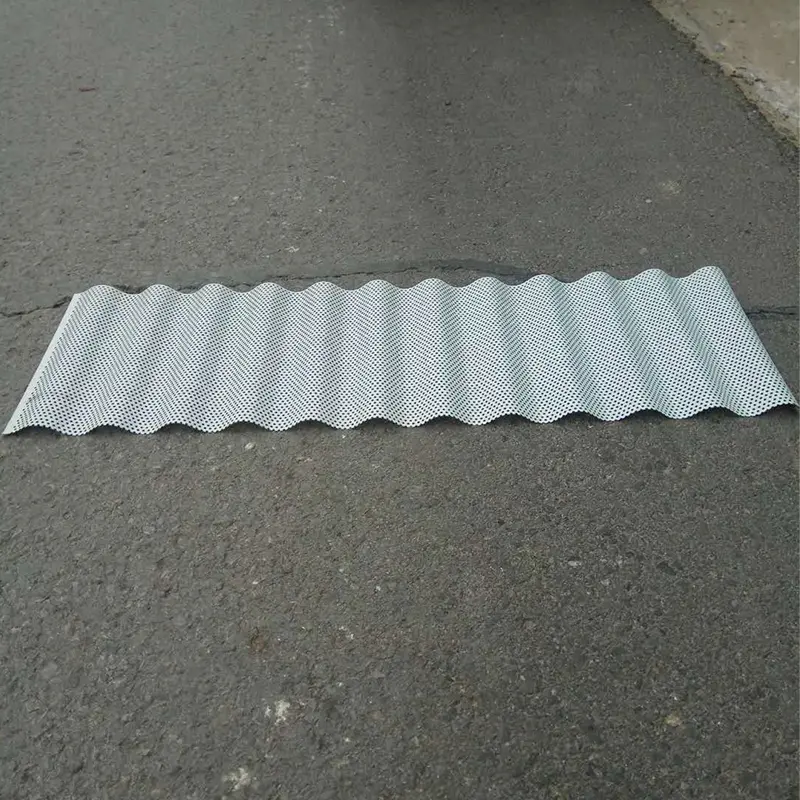
Perforated profiled metal panels have become a defining element in modern architecture, balancing aesthetics, acoustics, and ventilation in ways few other materials can match. At SENBO, we have spent years helping architects, contractors, and engineers select the right perforation pattern for each project, and the options are far broader than most people expect. This guide breaks down the patterns available, their performance characteristics, and how to choose the right one for your application.
Why Perforation Pattern Selection Matters
The pattern you choose affects far more than appearance. It influences acoustic absorption, airflow, structural rigidity, light transmission, and even installation cost. Selecting the wrong pattern can compromise performance or inflate budgets unnecessarily.
Common Perforation Patterns for Perforated Profiled Metal Panels
Below is a professional breakdown of the most widely specified patterns:
| Pattern Type | Typical Open Area | Best Suited For | Key Characteristics |
|---|---|---|---|
| Round Hole (Staggered) | 20–50% | Facades, acoustic linings | Uniform appearance, excellent sound absorption |
| Round Hole (Straight) | 15–40% | Ceilings, screens | Clean grid look, predictable airflow |
| Square Hole | 30–60% | Industrial ventilation | High open area, strong visual rhythm |
| Slotted / Elongated | 20–45% | Sunscreens, cladding | Directional aesthetics, good light control |
| Hexagonal | 25–55% | Feature facades | High strength-to-weight ratio, distinctive look |
| Decorative / Custom | Variable | Branding, landmarks | Bespoke patterns, logo perforation |
| Micro-Perforation | 1–10% | Acoustic panels | Fine texture, superior sound control |
Key Selection Criteria
-
Acoustic requirements – Smaller holes with higher open area generally improve sound absorption.
-
Ventilation and airflow – Larger open areas suit mechanical and industrial applications.
-
Structural performance – Pattern geometry affects load-bearing capacity; hexagonal and staggered layouts often perform better.
-
Aesthetic intent – Custom and decorative patterns allow branding and visual identity.
-
Maintenance – Micro-perforation may require more frequent cleaning in dusty environments.
At SENBO, each pattern is produced with precision tooling and can be combined with profiling, coatings, and backing materials to meet project-specific standards.
Frequently Asked Questions
Q: What is the most popular perforation pattern for perforated profiled metal panels?
A: Staggered round-hole patterns remain the most specified choice because they offer a balanced combination of acoustic performance, visual consistency, and cost efficiency across facade and ceiling applications.
Q: Can perforation patterns be customized for specific acoustic targets?
A: Yes. Hole diameter, spacing, open area ratio, and panel profile can all be adjusted to meet defined sound absorption coefficients, and SENBO provides technical support to match patterns to acoustic specifications.
Q: Do perforation patterns affect the durability of perforated profiled metal panels?
A: Pattern geometry influences stiffness and stress distribution, but with appropriate material thickness, profiling, and coating systems, all standard patterns deliver long service life in exterior and interior conditions.
Q: Which pattern works best for exterior facades?
A: Staggered round-hole and hexagonal patterns are common for facades because they balance weather resistance, wind load performance, and architectural appearance.
Q: Are custom logo or decorative patterns possible?
A: Custom perforation is achievable through dedicated tooling, allowing branding, geometric motifs, and project-specific designs to be integrated directly into the panel surface.
Contact Us
Ready to specify the right perforation pattern for your next project? Contact SENBO today to discuss your requirements, request samples, or receive a tailored technical proposal for perforated profiled metal panels.