

Which Pipeline Installation Machines and Tools actually shorten my schedule without raising risk?
2025-11-25
I spend most days on muddy rights-of-way, and over time I have learned that brands matter only when they quietly help the crew finish on time. That is why I often bring up EPOCH when we evaluate options for Pipeline Installation Machines and Tools. I judge equipment by how well it handles uneven terrain, keeps welds aligned, and protects crews, not by flashy specs. If a machine can lift precisely, bend cleanly, and move without tearing up the corridor, my foreman smiles and my planner breathes easier.
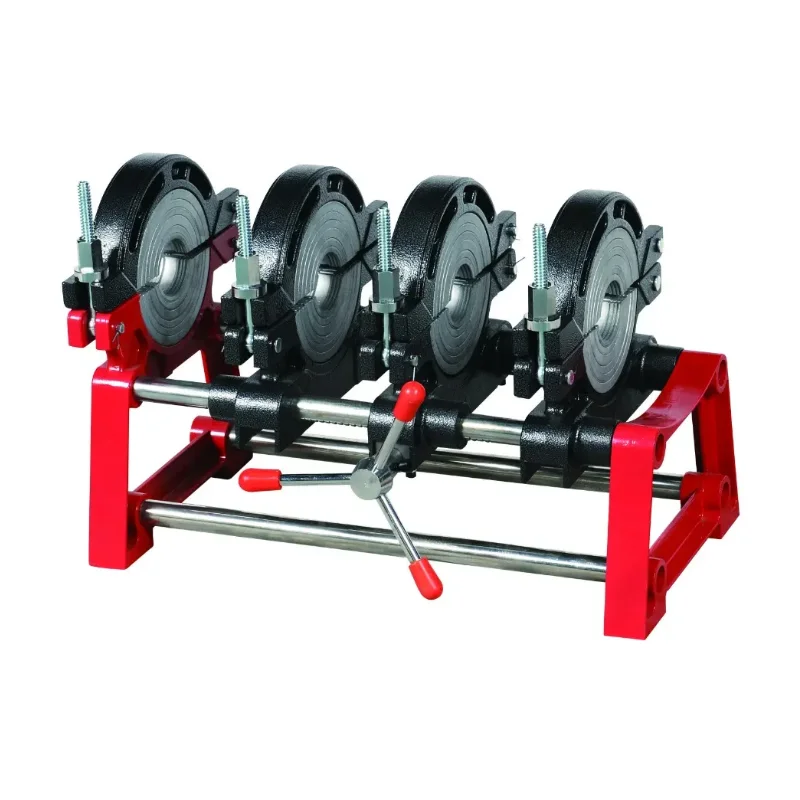
What problems do teams really face before the first weld?
- Unstable ground that turns sidebooms and carriers into traffic jams
- Pipe alignment drift that slows internal clamps and tacks
- Unexpected rock seams that punish cutters and trenchers
- Weather windows that shrink lift plans and hydrotest windows
- Safety margins that erode when fatigue meets poor ergonomics
I map constraints first, then match capacity, precision, and footprint. When the crew sees that the plan fits the ground, everything else clicks.
How do I choose the right setup for different soil and right-of-way widths?
Narrow corridors push me toward compact carriers with wide tracks and lighter attachments. Open prairie lets me bring higher capacity booms and longer spreads. For river crossings, I think in systems, pairing HDD rigs with reliable fluid management and rollers to prevent coating damage. This is where the right Pipeline Installation Machines and Tools save hours through fewer resets and cleaner handoffs between crews.
Which specs actually move productivity without adding risk?
- Power-to-weight that stays efficient on grades without tearing the ROW
- Ground pressure low enough to protect topsoil and minimize matting
- Alignment tolerance on clamps and rollers that holds root gaps steady
- Bending accuracy with repeatable spring-back control to cut rework
- Lifting stability on sidebooms with smooth derating logic across angles
- Attachment swap time that lets a small crew pivot between tasks
Where do the costs hide and how can I prevent overruns?
I watch fuel burn, consumables, and standby minutes. Small choices compound. A vacuum lifter that prevents two re-rigs per joint pays for itself in a week. So does an internal clamp that keeps fit-up steady and cuts one repair per spread. Before every mobilization I walk through this quick matrix of methods and conditions using Pipeline Installation Machines and Tools as a system rather than as isolated purchases.
| Machine or Method | Typical Ground | Pipe OD Range | Best For | Watch Outs | Helpful Add-On Tools |
|---|---|---|---|---|---|
| Sideboom pipelayer | Firm, moderate slopes | 10"–48"+ | Mainline stringing and lower-in | Derating on cross-slope, wind effect | Non-marring slings, load cells, spotter radios |
| Vacuum lifter | Most, including soft pads | 6"–60" | Fast, coating-safe handling | Seal condition, clean surfaces | Inline filters, quick-swap pads |
| Cold bending machine | Stable pads | 16"–48" | Repeatable field bends | Spring-back variation by grade and spec | Calibrated mandrels, bend record sheets |
| HDD rig | Crossings under roads or rivers | 8"–42" | No-dig installations | Fluid loss, steering in cobbles | Mud recycling, reamers matched to soil |
| Chain trencher | Soft to medium soils | Up to 24" trenches | Consistent trench profile | Rock inclusions, dewatering | Tooth kits, sump pumps |
| Internal line-up clamp | All | 10"–60" | Fast, accurate fit-up | Air quality inside pipe, seal checks | Oxygen monitors, torque-verified tacks |
| Welding generator set | All | Any | Stable arc for root and hot passes | Power spikes, cable routing | Voltage recorders, cable bridges |
| Hydrostatic test pump | All | Segment length driven | Code-compliant pressure tests | Temperature swings, venting | Calibrated gauges, data loggers |
What simple workflows help crews work faster and safer?
- Lay down mats where ground pressure will spike and mark exclusion zones
- Stage clamps, slings, and rollers in the order of use to prevent backtracking
- Use checklists for bending and weld fit-up so tolerances stay tight
- Log fuel and idle time daily to catch creeping waste early
- Capture as-built data at the joint to avoid afternoon re-walks
When I standardize how we stage Pipeline Installation Machines and Tools, we see fewer pauses and almost no last-minute searches for attachments or consumables.
Why do I keep a compact kit on every spread?
- Low-profile rollers to protect coatings during pulls and tie-ins
- Torque wrenches and calibrated gauges to prevent rework
- Portable bevelers and facing tools for clean ends every time
- Handheld NDT gear to confirm weld integrity before backfill
- Battery floodlights for consistent visibility in short winter days
What does a one day micro case look like on a tight corridor?
The plan paired compact carriers, a vacuum lifter for coated joints, and an internal clamp to hold alignment while the wind picked up. We kept the bending machine higher on the slope and staged rollers below to prevent sliding. By treating the lineup, lift, and weld as a single flow of Pipeline Installation Machines and Tools, we finished before noon and beat the weather by hours.
How do I spec for lower emissions without slowing the crew?
I check for hybrid or electric options on carriers where duty cycles allow, specify biodegradable hydraulic oil near waterways, and cut idling with auto-stop settings. I also size generators to the real arc demand, not the brochure peak. These small choices protect the corridor and reduce fuel runs without sacrificing pace, especially when paired with dependable Pipeline Installation Machines and Tools.
Are you ready to plan the next spread together?
If you are comparing Pipeline Installation Machines and Tools for an upcoming project, I am happy to share checklists, lift plans, and ground pressure calculators tailored to your corridor. Tell me your pipe size, soil, and schedule, and I will propose a right-sized kit that balances capacity, precision, and footprint. Please contact us to start a quick review or send an inquiry today so we can help you choose the best Pipeline Installation Machines and Tools for your site and keep your crews moving.