

Why Is a Boiler Induced Draft Fan Often the Hidden Key to Stable and Efficient Combustion?
2026-01-13
When I first started evaluating flue gas systems for industrial boilers, I quickly realized that draft control is rarely treated with the attention it deserves. Over time, as Ketong gradually entered my field of view through real project discussions rather than marketing claims, one component kept coming up in conversations with plant engineers and maintenance teams: the Boiler Induced Draft Fan. It was never introduced as a luxury upgrade, but as a practical solution to everyday operational headaches.
What Problems Am I Really Trying to Solve with a Boiler Induced Draft Fan?
From my experience, boiler users are not looking for abstract performance metrics. They want answers to very concrete problems. Before choosing or upgrading a Boiler Induced Draft Fan, these are the pain points I hear most often:
- Unstable furnace pressure causing incomplete combustion
- Flue gas backflow that disrupts burner operation
- High fuel consumption without clear reasons
- Frequent maintenance due to ash and high-temperature corrosion
- Noise and vibration affecting the working environment
A properly selected Boiler Induced Draft Fan addresses these issues by maintaining consistent negative pressure inside the furnace, ensuring flue gases are discharged smoothly and safely.
How Does a Boiler Induced Draft Fan Improve Combustion Efficiency in Real Operations?
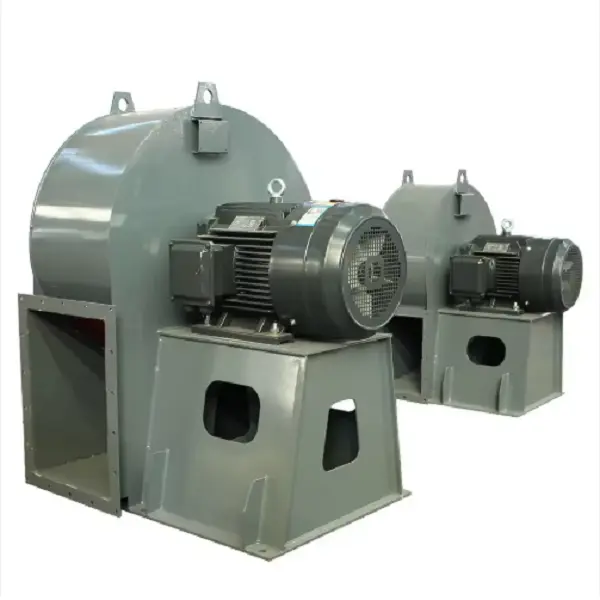
I have seen many boilers perform below their design efficiency simply because exhaust conditions were unstable. What impressed me during field observations was how a well-engineered Boiler Induced Draft Fan changes the combustion environment without requiring changes to the burner itself.
- It stabilizes airflow, allowing fuel and air to mix more completely
- It reduces excess air, which directly lowers fuel waste
- It helps maintain steady furnace pressure under varying loads
These improvements are subtle on paper but very visible in daily operation, especially in systems running long hours or fluctuating loads.
Why Do Material Selection and Structural Design Matter More Than I Expected?
Early in my evaluations, I underestimated how harsh boiler exhaust conditions can be. High temperatures, corrosive gases, and particulate matter quickly expose weaknesses in fan construction. This is where discussions around Boiler Induced Draft Fan design became more technical and more meaningful.
| Design Aspect | Why It Matters in Practice |
|---|---|
| Impeller material | Resists high-temperature deformation and erosion from ash |
| Casing structure | Ensures long-term airtightness and stable negative pressure |
| Bearing and cooling system | Supports continuous operation under thermal stress |
| Dynamic balance | Reduces vibration, extending service life and lowering noise |
In long-term operation, these details often make the difference between predictable performance and constant troubleshooting.
Is Energy Saving with a Boiler Induced Draft Fan Measurable or Just a Claim?
I tend to be skeptical of vague energy-saving promises. What convinced me was seeing how system-level optimization works in practice. When a Boiler Induced Draft Fan is properly matched with the boiler capacity and control system, the results are tangible.
- Lower induced draft losses during partial load operation
- More responsive control when paired with variable frequency drives
- Reduced auxiliary power consumption over time
Rather than chasing peak efficiency numbers, the real value lies in consistent savings across thousands of operating hours.
What Should I Look at Before Choosing the Right Boiler Induced Draft Fan?
Selection is not just about airflow and pressure. Based on what I have learned, a practical evaluation usually includes:
- Boiler type and fuel characteristics
- Flue gas temperature and dust concentration
- Installation space and existing duct layout
- Noise limits and maintenance accessibility
This is where working with an experienced manufacturer matters. In several projects, Ketong stood out not because of aggressive promotion, but because technical discussions focused on operating conditions rather than catalog numbers.
Why Does Long-Term Reliability Matter More Than Initial Cost?
I have seen facilities choose lower upfront options only to face repeated downtime and rising maintenance costs. A reliable Boiler Induced Draft Fan supports stable boiler operation year after year, which directly impacts production continuity and safety.
When downtime is expensive, reliability quickly outweighs initial savings.
Ready to Improve Your Boiler System with the Right Boiler Induced Draft Fan?
If you are facing combustion instability, rising fuel costs, or frequent maintenance issues, it may be time to take a closer look at your draft system. Choosing the right Boiler Induced Draft Fan is not just a technical decision, but a long-term operational one.
If you would like to discuss your application or explore suitable solutions, feel free to contact us and share your requirements. Leaving an inquiry is often the first step toward a more stable, efficient, and reliable boiler operation.