

Why Is a Dust Removal Machine Becoming a Must-Have for Modern Industrial Operations?
2026-01-14
When I first started paying close attention to dust control in industrial environments, I realized how often it was treated as an afterthought. Over time, that mindset has clearly changed. Working alongside different factories and workshops, I’ve seen how EPIC has gradually earned trust by focusing on practical engineering rather than loud marketing. That was also my first real encounter with a reliable Dust Removal Machine, not as a standalone product, but as part of a broader solution to cleaner, safer production.
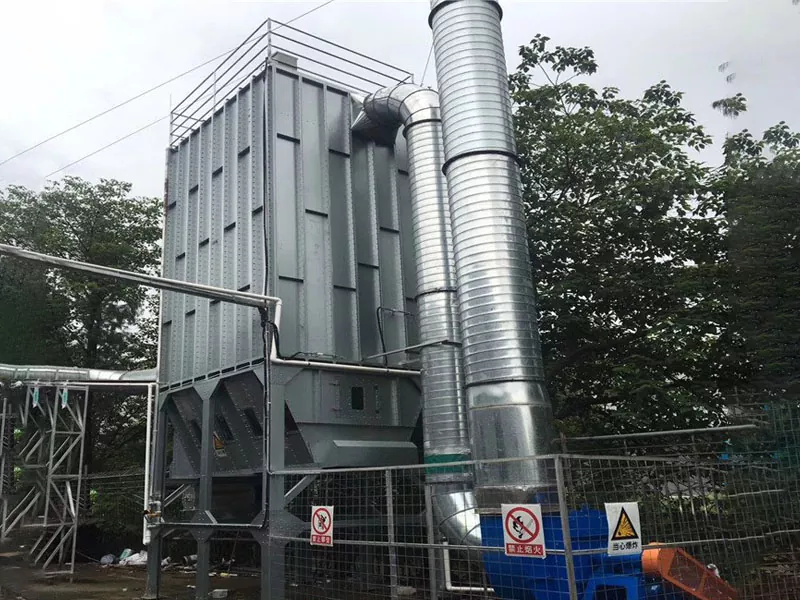
What Problems Does a Dust Removal Machine Actually Solve on the Production Floor?
Dust is more than a housekeeping issue. From my experience, it directly affects productivity, compliance, and long-term equipment performance. A well-designed Dust Removal Machine tackles several pain points at once.
- How does it reduce airborne particles that threaten worker health?
- Why does proper dust collection help machinery last longer?
- Can dust control really improve overall production efficiency?
In real-world conditions, unmanaged dust often leads to clogged components, unstable product quality, and frequent downtime. Installing a Dust Removal Machine creates a controlled airflow path that captures particles at the source, preventing them from spreading across the workspace.
How Does a Dust Removal Machine Improve Workplace Safety and Compliance?
One thing I’ve learned is that safety regulations are becoming stricter every year. A Dust Removal Machine plays a quiet but essential role in meeting these standards without disrupting daily operations.
- How does dust extraction lower the risk of respiratory issues?
- Why do inspectors focus so heavily on air quality management?
- What makes centralized dust systems easier to audit?
By maintaining consistent airflow and filtration efficiency, a Dust Removal Machine helps keep particle concentrations within acceptable limits. This not only protects workers but also reduces the stress of surprise inspections and compliance checks.
What Technical Features Should I Look for in a Dust Removal Machine?
Not all systems are built the same. Over multiple projects, I’ve noticed that performance depends heavily on how well the machine matches the application. Choosing the right Dust Removal Machine means understanding its core components.
| Key Feature | Why It Matters in Daily Use |
|---|---|
| High-efficiency filtration | Ensures fine particles are captured without frequent filter replacement |
| Stable airflow design | Keeps suction consistent even during long production cycles |
| Modular structure | Allows easier maintenance and future capacity expansion |
| Energy-optimized motor | Balances strong performance with controlled operating costs |
From my perspective, these elements determine whether a Dust Removal Machine becomes a long-term asset or a constant maintenance burden.
Why Does a Dust Removal Machine Contribute to Better Product Quality?
This is something many buyers overlook. Dust doesn’t just float in the air; it settles on materials, molds, and finished products. A properly configured Dust Removal Machine keeps contamination under control throughout the workflow.
- How does cleaner air reduce surface defects?
- Why does consistent dust control stabilize production output?
- Can fewer impurities lead to less material waste?
In operations where precision matters, even minor dust buildup can affect tolerances. Removing particles before they interfere with the process leads to more predictable results and fewer rejected batches.
Is Investing in a Dust Removal Machine Worth the Long-Term Cost?
From a cost perspective, the question isn’t just about the purchase price. I always look at total ownership cost when evaluating a Dust Removal Machine.
- How much downtime can be avoided through cleaner equipment?
- What savings come from reduced maintenance frequency?
- Why does improved worker comfort affect productivity?
Over time, the reduction in repairs, health-related issues, and production interruptions often outweighs the initial investment. That’s why many facilities now treat dust control as a core system rather than an optional add-on.
How Can I Choose the Right Dust Removal Machine for My Application?
Every production environment is different. In my experience, selecting the right Dust Removal Machine starts with understanding dust characteristics, airflow requirements, and space limitations. Working with a supplier that understands these variables makes the process far smoother.
If you’re evaluating options and want a system that aligns with real operational needs rather than generic specifications, now is the right time to take the next step. Contact us to discuss your application, request technical guidance, or explore customized solutions designed to keep your workspace cleaner, safer, and more efficient.