

Why Is a Large A3 Single-Color Sheet-fed Offset Printing Press Essential for Efficient Commercial Printing?
2026-10-23
In commercial printing, achieving consistent print quality, reliable production efficiency, and manageable operating costs is essential for businesses serving demanding markets. A Large A3 Single-Color Sheet-fed Offset Printing Press offers a practical solution for printing companies that need accurate monochrome output, flexible paper handling, and dependable performance across various print jobs. From books and instruction manuals to forms, promotional materials, and business documents, this equipment helps manufacturers maintain consistent results while optimizing production workflows. For printing businesses looking to balance quality and productivity, understanding the machine's functions and advantages is an important step toward making the right investment.
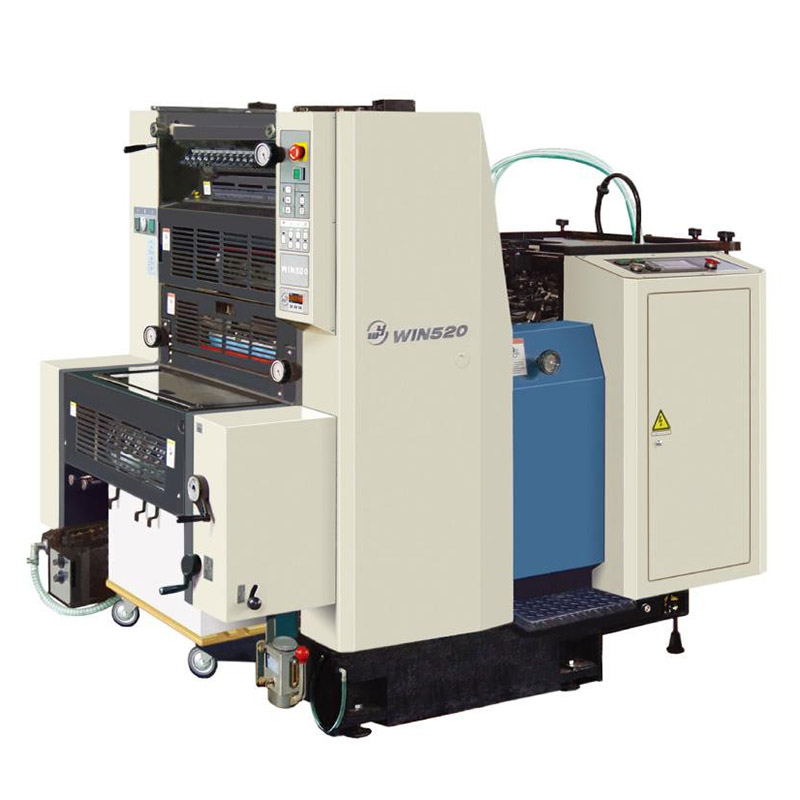
What Is a Large A3 Single-Color Sheet-fed Offset Printing Press?
A Large A3 Single-Color Sheet-fed Offset Printing Press is a printing machine designed to transfer ink onto individual sheets of paper or other compatible printing materials using the offset printing process. Unlike digital printing systems that transfer images directly from digital files, offset printing uses a printing plate to transfer ink to a blanket cylinder before the image reaches the paper.
The single-color configuration is particularly suitable for jobs requiring one-color graphics, text, logos, and illustrations. Its sheet-fed design allows individual sheets to be fed, printed, and collected in a controlled sequence, supporting stable production and consistent image placement.
The large A3 format provides a useful printing area for documents and layouts that require more space than standard A4 printing. Depending on the machine's specifications, it can accommodate different paper sizes within its maximum sheet dimensions.
Key Features at a Glance
-
Large-format capability: Supports printing jobs requiring a larger sheet area.
-
Single-color operation: Ideal for black-and-white documents, monochrome graphics, and single-color commercial materials.
-
Sheet-fed structure: Handles individual sheets for organized production and finishing.
-
Offset printing technology: Supports consistent image reproduction across production runs.
-
Versatile applications: Suitable for various commercial, publishing, and industrial printing requirements.
Why Does This Printing Equipment Matter for Commercial Production?
1. Consistent Print Quality
Consistency is essential when producing hundreds or thousands of copies of the same document. Variations in ink distribution, image alignment, and paper feeding can affect the final product and increase waste.
A properly configured Large A3 Single-Color Sheet-fed Offset Printing Press helps maintain uniform ink coverage and clear text reproduction throughout a print run. Correct plate preparation, ink-water balance, paper selection, and machine adjustment are all important factors in achieving stable results.
For businesses printing manuals, forms, labels, or educational materials, consistent output improves the appearance and usability of finished products.
2. Improved Production Efficiency
Production efficiency depends on more than printing speed. Paper feeding stability, setup time, operator experience, and the frequency of job changes all influence overall output.
Sheet-fed offset equipment can support efficient repeat production once the machine has been properly set up. This is particularly valuable for printing businesses handling recurring orders with similar specifications.
When production parameters are carefully controlled, operators can reduce avoidable interruptions, minimize paper waste, and maintain a more predictable workflow.
3. Better Cost Management for Repeat Jobs
Although offset printing requires plate preparation and initial setup, it can become cost-effective for medium- and high-volume orders. As production quantities increase, the initial setup cost is distributed across more copies.
For single-color work, businesses can also avoid the additional complexity of multi-color printing when full-color output is unnecessary.
Important cost factors include:
-
Initial equipment investment and installation.
-
Printing plate preparation and replacement.
-
Ink, paper, and other consumables.
-
Labor and maintenance requirements.
-
Production volume and setup frequency.
Evaluating these factors helps buyers determine whether the machine fits their order profile and long-term operating budget.
Which Applications Benefit Most From Large A3 Single-Color Offset Printing?
A Large A3 Single-Color Sheet-fed Offset Printing Press is especially useful when print jobs require clear text, consistent monochrome images, and repeatable output.
| Printing Application | Typical Products | Main Benefit |
|---|---|---|
| Publishing | Book interiors, study materials, reading documents | Clear text and consistent reproduction |
| Commercial printing | Flyers, forms, business documents | Efficient repeat production |
| Industrial printing | Instruction sheets, technical documents | Legible information and standardized output |
| Educational printing | Worksheets, exercise books, teaching materials | Practical production of large quantities |
| Corporate printing | Manuals, internal documents, reports | Consistent appearance across batches |
| Promotional printing | Single-color leaflets and inserts | Economical production for suitable print runs |
The suitability of each application depends on the machine's supported paper thickness, maximum sheet dimensions, printing speed, registration accuracy, and other technical specifications.
Before purchasing, buyers should confirm that the press can accommodate their actual materials and finished product requirements.
How Does the Machine Improve the Printing Workflow?
A reliable printing workflow begins before the first sheet enters the press. Proper preparation helps minimize errors and improves production stability.
Step 1: Prepare the Printing Plate
The printing plate is prepared according to the artwork and required print specifications. Correct plate preparation helps ensure accurate image transfer and consistent reproduction.
Step 2: Configure the Paper Feeding System
Operators adjust the feeding system to match the sheet size, paper characteristics, and production requirements. Stable feeding helps reduce misfeeds, skewing, and interruptions.
Step 3: Set Ink and Printing Parameters
Ink distribution, pressure, registration, and other relevant settings must be adjusted according to the machine design and printing material. Appropriate settings support clean images and uniform ink coverage.
Step 4: Conduct a Test Run
Sample sheets are inspected before full production begins. Operators check image clarity, alignment, ink density, and other quality indicators, making adjustments when necessary.
Step 5: Maintain Quality During Production
During the print run, operators monitor the printed sheets and machine operation. Routine inspection helps identify problems early and reduces the risk of producing a large batch of defective materials.
Step 6: Complete Finishing and Delivery
Printed sheets may proceed to cutting, folding, binding, or other finishing processes, depending on the final product. Coordinating these stages helps improve overall production efficiency.
What Should Buyers Evaluate Before Choosing a Printing Press?
Selecting the right machine requires a clear understanding of both current production demands and future business plans.
Technical Specifications
Buyers should compare the following factors before making a purchasing decision:
-
Maximum sheet size: Confirm that the printing area accommodates the intended product dimensions.
-
Printing speed: Evaluate rated output alongside actual production requirements.
-
Paper compatibility: Check supported paper weights, thicknesses, and material types.
-
Image registration: Assess the machine's ability to maintain accurate image positioning.
-
Feeding and delivery systems: Consider stability, ease of adjustment, and handling efficiency.
-
Maintenance requirements: Review access to components, replacement parts, and technical support.
-
Installation requirements: Check the machine's footprint, power supply, and operating environment.
A machine with a high rated speed may not necessarily deliver the best overall productivity if frequent setup changes, material limitations, or maintenance interruptions affect daily operations.
Match the Equipment to Your Order Profile
A practical purchasing decision should consider the relationship between print volume, product specifications, and operating costs.
For example, a company producing large batches of monochrome manuals may prioritize stable repeat production and cost per copy. A commercial printer handling many short jobs may place greater emphasis on setup convenience and job-change efficiency.
Matching equipment capabilities to the actual production mix helps prevent unnecessary investment and supports better long-term utilization.
How Can Proper Maintenance Protect Printing Performance?
Regular maintenance helps preserve print quality, reduce unplanned downtime, and extend equipment service life.
Recommended practices include:
-
Cleaning ink rollers and other relevant components according to the manufacturer's instructions.
-
Inspecting feeding mechanisms for dust, wear, and adjustment problems.
-
Checking lubrication points and mechanical components at the prescribed intervals.
-
Monitoring printing pressure, registration, and ink distribution.
-
Replacing worn parts before they significantly affect production.
-
Training operators to recognize abnormal noise, feeding problems, and print defects.
Maintenance schedules should follow the equipment manufacturer's recommendations and reflect actual operating conditions. Consistent preventive maintenance is generally more effective than waiting until a failure interrupts production.
Why Consider Weihai Printing Machinery Co., Ltd.?
For printing businesses evaluating equipment for commercial and industrial applications, working with an experienced machinery supplier can help simplify the purchasing process.
Weihai Printing Machinery Co., Ltd. is a company buyers can contact to discuss their printing equipment requirements and identify suitable machine configurations.
When evaluating a potential supplier, buyers should consider the following aspects:
-
Application suitability: Whether the proposed equipment matches the required paper formats, print products, and production volumes.
-
Technical communication: Whether the supplier can clearly explain operating parameters, configuration options, and machine limitations.
-
Production planning: Whether the equipment can support the buyer's current workflow and expected future demand.
-
After-sales support: Whether installation guidance, operator training, maintenance information, and spare-parts assistance are available.
-
Investment value: Whether the machine's capabilities and expected operating costs align with the business's budget and production goals.
Buyers should request the latest technical specifications, a detailed quotation, and confirmation of service arrangements before placing an order. These steps help establish realistic performance expectations and reduce uncertainty during equipment selection.
Conclusion: Is a Large A3 Single-Color Sheet-fed Offset Printing Press Right for Your Business?
A Large A3 Single-Color Sheet-fed Offset Printing Press can be a valuable investment for printing businesses that need dependable monochrome production, consistent image reproduction, and efficient handling of repeat orders. Its practical applications include publishing, educational materials, commercial documents, and industrial printing.
The best purchasing decision depends on sheet size, paper compatibility, production volume, print quality requirements, maintenance needs, and total operating costs. By evaluating these factors carefully, businesses can select equipment that supports stable production and sustainable growth.
If you are looking for suitable printing equipment for your production line, contact us at Weihai Printing Machinery Co., Ltd. to discuss your application requirements, request detailed technical specifications, and explore a printing solution that matches your production goals.