

Why Is an Automotive Parts Cleanliness Cleaning Machine Essential for Modern Manufacturing?
2026-06-09
In today's highly competitive automotive industry, product quality, reliability, and safety are more important than ever. Even microscopic contaminants left on automotive components can lead to premature wear, reduced performance, and costly product failures. This is why manufacturers increasingly rely on an Automotive Parts Cleanliness Cleaning Machine to achieve strict cleanliness standards and ensure optimal component performance.
From engine parts and transmission components to braking systems and precision electronic assemblies, cleanliness has become a critical factor throughout the automotive manufacturing process. Advanced cleaning technology not only improves product quality but also helps companies meet international standards and customer requirements.
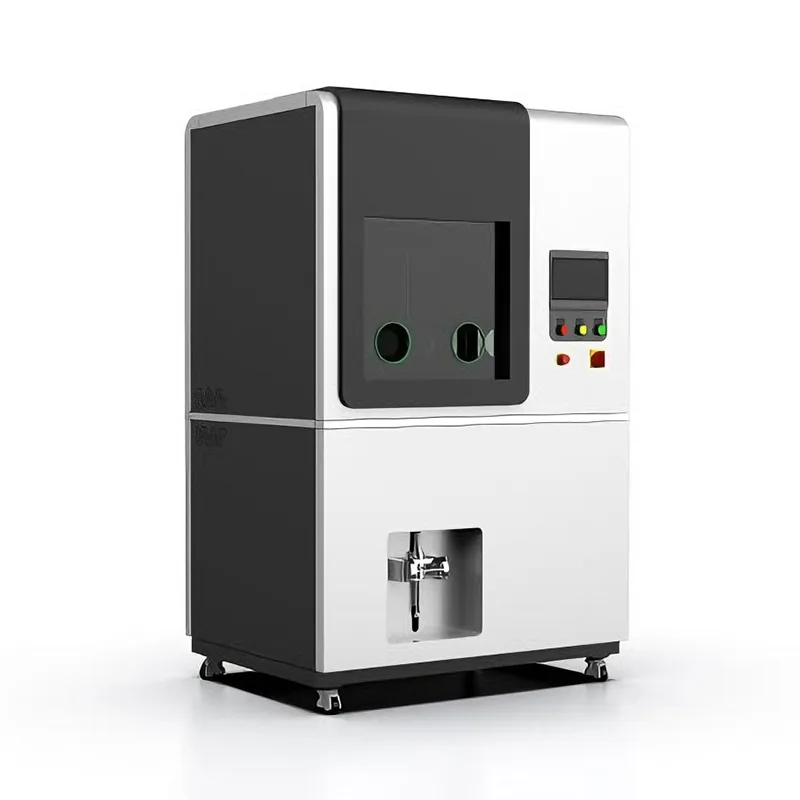
What Is an Automotive Parts Cleanliness Cleaning Machine?
An Automotive Parts Cleanliness Cleaning Machine is a specialized industrial cleaning system designed to remove contaminants such as:
-
Metal chips
-
Dust particles
-
Oil residues
-
Grease
-
Coolants
-
Carbon deposits
-
Processing residues
These machines use various cleaning methods, including spray cleaning, ultrasonic cleaning, immersion cleaning, high-pressure washing, and precision drying, to ensure automotive components achieve the required cleanliness levels before assembly.
The primary goal is to eliminate contamination that could negatively affect product performance, durability, or safety.
Why Is Cleanliness Important in Automotive Parts Manufacturing?
Modern vehicles contain thousands of precision-engineered components. Even tiny particles can create significant problems during operation.
Key Benefits of Proper Parts Cleaning
| Benefit | Impact |
|---|---|
| Improved Product Quality | Reduces defects and rework |
| Enhanced Reliability | Prevents premature component failure |
| Better Assembly Performance | Ensures accurate fitting and operation |
| Increased Equipment Life | Minimizes wear caused by contaminants |
| Compliance with Standards | Meets automotive cleanliness requirements |
| Customer Satisfaction | Delivers higher-quality products |
Without effective cleaning, contaminants may remain hidden inside complex geometries, eventually causing operational failures and warranty claims.
Common Applications of Automotive Parts Cleanliness Cleaning Machines
Automotive manufacturers use cleaning machines across numerous production processes.
Engine Components
-
Cylinder heads
-
Engine blocks
-
Pistons
-
Crankshafts
-
Camshafts
Transmission Parts
-
Gear assemblies
-
Clutch components
-
Transmission housings
-
Bearings
Brake System Components
-
Brake calipers
-
Brake discs
-
Hydraulic parts
Electric Vehicle Components
-
Battery housings
-
Motor parts
-
Precision electronic assemblies
-
Cooling system components
As electric vehicles continue to expand globally, cleanliness requirements are becoming even stricter due to the sensitivity of electronic and battery systems.
How Does an Automotive Parts Cleanliness Cleaning Machine Work?
The cleaning process generally consists of multiple stages designed to achieve maximum cleanliness.
Typical Cleaning Process
-
Pre-cleaning
-
High-pressure washing
-
Ultrasonic cleaning
-
Rinsing
-
Fine filtration
-
Drying
-
Cleanliness inspection
Process Flow Overview
| Stage | Function |
|---|---|
| Washing | Removes heavy contamination |
| Ultrasonic Cleaning | Eliminates microscopic particles |
| Rinsing | Removes residual cleaning agents |
| Drying | Prevents corrosion and water spots |
| Inspection | Verifies cleanliness standards |
Advanced systems may include automated handling, robotic loading, and real-time monitoring to ensure process consistency.
What Features Should You Look for in an Automotive Parts Cleanliness Cleaning Machine?
Selecting the right cleaning equipment can significantly affect production efficiency and product quality.
Important Features
High Cleaning Accuracy
Precision cleaning capability is essential for removing microscopic particles from complex component surfaces.
Automated Operation
Automation reduces labor costs and ensures consistent cleaning quality.
Energy Efficiency
Modern systems are designed to minimize water, electricity, and detergent consumption.
Flexible Configuration
Different automotive parts require different cleaning methods. Flexible machine designs can accommodate multiple component types.
Environmental Protection
Eco-friendly systems reduce waste generation and comply with environmental regulations.
Smart Control Systems
Advanced PLC and touchscreen controls improve operational efficiency and process management.
Advantages of Automated Cleaning Solutions
Compared with manual cleaning methods, automated systems offer significant advantages.
Automated Cleaning vs Manual Cleaning
| Factor | Automated Cleaning | Manual Cleaning |
|---|---|---|
| Consistency | Excellent | Variable |
| Productivity | High | Low |
| Labor Requirement | Minimal | High |
| Precision | Superior | Limited |
| Operating Cost | Lower Long-Term | Higher Long-Term |
| Quality Control | Easier | More Difficult |
For large-scale automotive manufacturing operations, automation has become the preferred solution.
Why Choose SuZhou Kolymo Precison Machinery Co.,Ltd.?
As manufacturing technologies continue to evolve, companies need reliable cleaning equipment partners capable of delivering advanced and customized solutions.
SuZhou Kolymo Precison Machinery Co.,Ltd. specializes in the design and production of high-performance industrial cleaning systems, including advanced Automotive Parts Cleanliness Cleaning Machine solutions for the automotive industry.
Our Advantages
-
Extensive industry experience
-
Customized cleaning solutions
-
Advanced automation technology
-
Stable and reliable machine performance
-
Strict quality control
-
Comprehensive technical support
-
Competitive pricing
Our engineering team works closely with customers to develop cleaning systems tailored to specific production requirements, helping manufacturers improve product quality while reducing operating costs.
Future Trends in Automotive Parts Cleaning
The automotive industry is rapidly moving toward smarter and cleaner production processes.
Key trends include:
-
Industry 4.0 integration
-
Intelligent process monitoring
-
AI-assisted quality inspection
-
Energy-efficient cleaning systems
-
Water recycling technology
-
Automated cleanliness verification
-
Enhanced cleaning standards for EV components
Manufacturers that invest in advanced cleaning technologies today will gain a significant competitive advantage in the future.
Conclusion
An Automotive Parts Cleanliness Cleaning Machine plays a crucial role in ensuring the quality, reliability, and safety of modern automotive components. As vehicle technology becomes increasingly sophisticated, cleanliness requirements continue to rise across the entire manufacturing chain.
By implementing advanced cleaning systems, manufacturers can improve product performance, reduce defects, increase production efficiency, and meet demanding industry standards.
At SuZhou Kolymo Precison Machinery Co.,Ltd., we are committed to providing innovative and reliable automotive cleaning solutions that help our customers achieve superior manufacturing results. Whether you require a standard system or a fully customized cleaning solution, our team is ready to support your success.
Looking for a high-performance Automotive Parts Cleanliness Cleaning Machine for your production line? Contact us today to discuss your requirements and discover how SuZhou Kolymo Precison Machinery Co.,Ltd. can help optimize your manufacturing process with advanced cleaning technology.