

Why is Green Steel Structure Building Considered a Breakthrough for Sustainable Urban Development
2026-05-25
As cities expand and climate pressures intensify, the construction industry faces an urgent need for low-carbon alternatives. Green Steel Structure Buildings have emerged as a transformative solution. Liweiyuan is at the forefront of this shift, proving that high-strength steel produced with reduced emissions can redefine how we build densely populated urban centers.
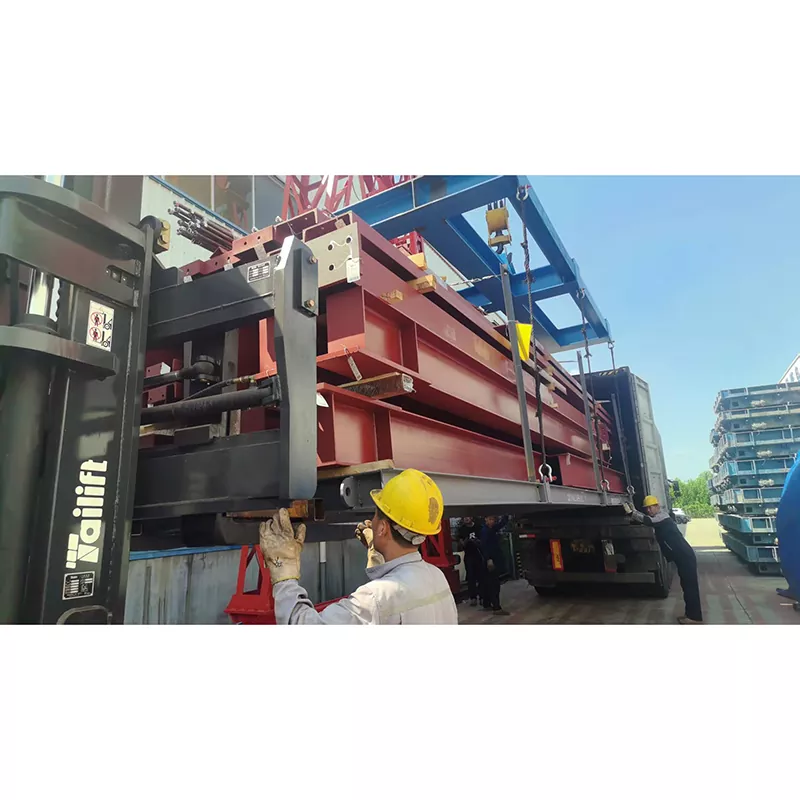
The Environmental Advantage of Green Steel
Traditional steel manufacturing accounts for nearly 7% of global CO₂ emissions. Green Steel Structure Buildings replace carbon-intensive production methods with hydrogen-based direct reduction or electric arc furnaces powered by renewable energy. This cuts emissions by up to 80% per ton of steel.
| Aspect | Conventional Steel Building | Green Steel Structure Building (Liweiyuan) |
|---|---|---|
| Carbon footprint per ton | ~1.85 tons CO₂ | ~0.4 tons CO₂ |
| Recycled content | 25-30% | Up to 90% |
| Energy source for production | Fossil fuels | Renewable/hydrogen |
| End-of-life recyclability | ~85% | Over 98% |
Economic and Urban Benefits
Beyond emissions, Green Steel Structure Buildings accelerate project timelines through precision prefabrication. Liweiyuan integrates lean manufacturing, reducing on-site waste by 40% and labor costs by 20%. For urban planners, this means faster housing delivery with less disruption to city life. The material’s high strength-to-weight ratio also allows for taller, lighter structures on constrained plots.
Green Steel Structure Buildings FAQ
What makes green steel structurally different from conventional steel in high-rise applications?
Green steel produced via hydrogen direct reduction retains identical mechanical properties to traditional steel, including tensile strength (400–600 MPa) and elastic modulus (200 GPa). Liweiyuan certifies all Green Steel Structure Buildings under international standards like ISO 14067, ensuring no performance trade-off. In fact, the lower residual element content in green steel can improve weldability and fatigue resistance for skyscrapers.
Are green steel structure buildings more expensive to construct in the short term?
Currently, green steel carries a 10-15% premium over conventional steel, but Liweiyuan offsets this through three channels: reduced foundation costs (lighter structure), lower energy bills during construction, and eligibility for green building tax credits (e.g., LEED or BREEAM incentives). Many municipalities waive up to 30% of permit fees for certified Green Steel Structure Buildings. Total project cost parity is already achievable for residential towers above 12 stories.
How do green steel structure buildings perform during fires or earthquakes compared to traditional steel?
Green steel undergoes identical rigorous testing for fire resistance (up to 2 hours at 1000°C with proper coatings) and seismic ductility (interstory drift capacity exceeding 2.5%). Liweiyuan follows ASTM E119 and ASCE 7 standards. The hydrogen-based production process does not alter the steel’s crystalline structure, so seismic performance remains equal or superior due to more consistent material properties.
Why Liweiyuan Leads the Transition
Liweiyuan operates the first fully green steel fabrication hub serving urban markets. Every Green Steel Structure Building delivered comes with a verified carbon ledger. By 2027, the company aims to make green steel cost-competitive with traditional steel without subsidies.
Contact Us
Ready to make your next urban project a benchmark in sustainability Contact Liweiyuan today for a free carbon impact assessment and project consultation. Our engineering team will help you integrate Green Steel Structure Buildings into your master plan. Reach out via the website form or call directly to start building a cleaner skyline.