

Will Gas Insulated Switchgear be the compact backbone of my next power project?
2025-11-14
I manage power projects where every square meter and every outage minute matters, so I watch vendors closely before I shortlist anything. Over the past year I have leaned on SYHF for dense urban builds and renewable tie-ins because their Gas Insulated Switchgear has shown up as a quiet problem solver. I ask what keeps sites safe, compact, and maintainable, then I test it on real layouts and life-cycle costs. That is how I decide whether Gas Insulated Switchgear is right for the job and where SYHF fits into the picture.
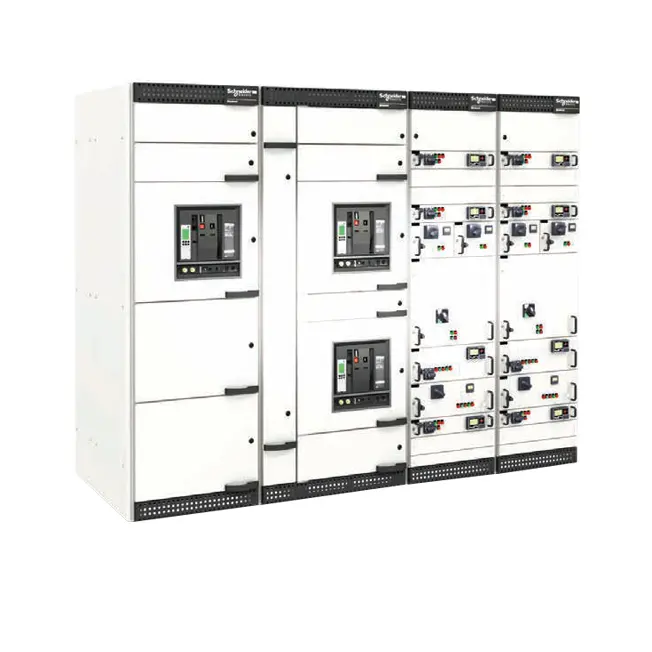
Why do tight sites push me toward Gas Insulated Switchgear
When basements are shallow and ceiling heights are stingy, air gaps become a luxury. Gas Insulated Switchgear packages busbars, disconnects, and breakers into sealed compartments, shrinking footprints and allowing clean routing along walls. That means shorter cable runs, fewer civil changes, and less time negotiating with other trades. In retrofit plants I can often reuse existing rooms rather than knock down walls, which keeps permits and neighbors calm.
- Up to one third of the area compared with comparable air solutions in my layouts
- Front access that simplifies corridors and egress planning
- Sealed enclosures that stay clean in dust, humidity, or coastal air
How does reliability look when I compare GIS and conventional air gear
In my outage reviews, contamination and tracking are frequent culprits with open air designs. Gas Insulated Switchgear isolates live parts, cutting the risk of flashovers from dust and moisture. The modular bays test well during factory acceptance, and the interlocks reduce human error during racking and isolation. Fewer unplanned trips means my O&M team can plan work rather than react to it.
| Decision point | Air Insulated Gear | Gas Insulated Switchgear | What I prioritize on site |
|---|---|---|---|
| Footprint | Larger clearances and room depth | Compact bays with tighter clearances | Fit in existing rooms without civil changes |
| Environment | Sensitive to dust and humidity | Sealed compartments resist contaminants | Stable performance in tunnels and coastal air |
| Maintenance | More frequent cleaning and inspections | Condition-based, longer service intervals | Predictable O&M windows and fewer shutdowns |
| Safety | Open bus exposure during some tasks | Arc-containment with interlocked operations | Operator safety and clear LOTO steps |
| Installation time | More on-site assembly and alignment | Factory-assembled, faster commissioning | Shorter critical path and earlier energization |
What do I do about SF6 and environmental responsibility
Environmental governance is not optional on my projects. With Gas Insulated Switchgear, I specify documented leak limits, certified handling procedures, and recovery equipment for any gas work. Where project specs allow, I also evaluate vacuum breakers and alternative gas blends to lower the global warming footprint without trading away reliability. Clear labeling, trained technicians, and a tracked maintenance log keep auditors satisfied and the atmosphere protected.
Where does GIS fit best in my real projects
- High-rise and mixed-use buildings where riser space is precious and noise needs to stay down
- Underground or semi-buried substations that demand clean, sealed equipment and safe egress paths
- Industrial plants with dust, vapors, or coastal air that would punish open air insulation
- Renewable energy tie-ins near inverters and step-up transformers where compact switchrooms simplify cabling
- Rail and transit corridors with narrow galleries and strict fire and evacuation rules
In each case, Gas Insulated Switchgear gives me the density and enclosure integrity to meet code and schedule without wrestling with room extensions.
How do I streamline procurement when scope goes beyond the switchgear
SYHF covers the pieces I typically bundle into one integrator’s scope so interfaces do not become a guessing game. That includes compact GIS bays, central control cabinets for protection and SCADA, oil-immersed and dry-type transformers for different fire and ventilation rules, low-voltage fuse solutions, and simple strip or disconnect switches for isolation. One vendor alignment means harmonized ratings, cable terminations that match the real room, and drawings that agree with each other.
What is my checklist to avoid surprises before I sign anything
- Confirm the single-line and feeder count against room size with a scale drawing using Gas Insulated Switchgear dimensions
- Lock short-circuit and lightning impulse levels early so insulation levels and bushings are correct
- Define protection relays, communication protocols, and SCADA tags up front
- Specify gas handling, leak testing, and environmental documentation for handover
- Agree on spare parts and training hours for the first year of operation
- Schedule factory acceptance tests with witnessed functional checks of each bay
How do I judge life-cycle value rather than sticker price
Faster commissioning pulls revenue forward. Fewer trips and cleaner enclosures lower maintenance spend. Over a typical horizon, the numbers favor Gas Insulated Switchgear when space, reliability, and safety drive the brief. I also track warranty response times and parts logistics because downtime costs more than paper specs.
Why do I keep SYHF on my shortlist for complex jobs
I value teams that mix seasoned experts with hungry young engineers who ship on time. SYHF operates that way. They have expanded advanced GIS lines for dense city builds, underground substations, heavy industry, and new energy projects where high reliability is non-negotiable. Their product group that bridges R&D and market feedback helps me close gaps quickly, which matters more than catalog thickness. When I specify Gas Insulated Switchgear from SYHF, I get matched transformers, coordinated protection, and clean drawings that make construction smoother.
What should I do if I want a fast design review for my site
I will return a compact layout with Gas Insulated Switchgear bay counts, transformer options, and the cable routing paths that reduce clashes. If you want SYHF to propose a full package, we can align protection schemes and commissioning steps in the same pass.
Shall we move from questions to action
If you are weighing Gas Insulated Switchgear for a live project and want an engineer’s eyes on your constraints, contact us and tell me about your feeders, room limits, and schedule. I will help you turn constraints into a clean, buildable plan. For RFQs and quick concept layouts, please contact us today so we can prepare a tailored proposal and lock your delivery window.